Wear
Warm layers and boots
Start with thermals, a fleece or wool layer, outdoor trousers and warm waterproof boots. Have a weatherproof jacket and gloves for the whole day.
Prepare for the glacier
Dress for wind, snow and the whole excursion. Use this guide to choose your layers, check the equipment included with your tour and pack the small items that make the day easier.
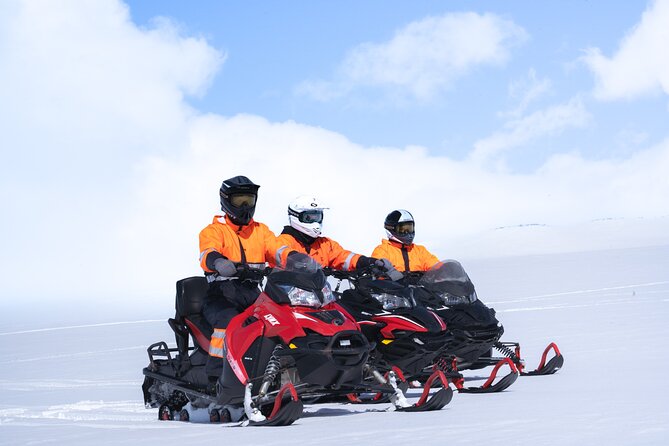
Prepare before leaving your accommodation. A warm lowland forecast does not describe the conditions you may meet on the glacier.
Wear
Start with thermals, a fleece or wool layer, outdoor trousers and warm waterproof boots. Have a weatherproof jacket and gloves for the whole day.
Check
The shortlisted tours supply a helmet and overalls, but other items vary. Do not assume that boots, goggles or every clothing size are included.
Pack
Bring your required driving licence, sunglasses, water and any food your itinerary needs. Add swimwear if your booked combination includes bathing.
A supplied overall is an extra layer, not a replacement for dressing for the weather. Choose clothing that lets you sit comfortably and move your arms, with enough room for the overall to close. Several thinner layers are easier to adjust than one bulky outfit.
01 · Against your skin
Choose a wool or synthetic thermal top and leggings when conditions call for them. These are a better outdoor base than cotton, which holds moisture.
02 · For warmth
Add a fleece or wool sweater and suitable outdoor trousers. In colder conditions, bring extra insulation that still fits comfortably under the supplied overall.
03 · For the whole outing
Have a windproof, waterproof jacket and trousers for transfers and outdoor stops. Ask the guide which layers to keep on when putting on the snowmobile suit.
Jeans and a cotton sweatshirt are poor choices as your only glacier clothing. Choose practical layers that stay comfortable if conditions are damp, and keep any spare clothing dry.
Dress for all parts of the day. A sightseeing combination can include cold or wet outdoor stops before you collect the snowmobile equipment. You may also remove that equipment before the return journey.
These named examples show why “equipment included” needs a closer look. They are product and provider guidance checked on 2 October 2026; confirm the list for the actual option you book.
| Tour example | Published riding equipment | Bring or confirm |
|---|---|---|
| Golden Circle Super Jeep + Langjökull Mountaineers of Iceland | Overalls, gloves, shoe covers, buff and helmet, according to the operator FAQ. | Your own warm waterproof boots, layers and outdoor clothing. Shoe covers do not establish supplied or rentable boots. |
| Húsafell snowmobile + ice tunnel Arctic Adventures | Overall, balaclava, goggles, gloves and helmet in the product FAQ. | Warm layers and boots. Confirm equipment fit and the list for your selected booking option. |
| Vatnajökull snowmobile tour Glacier Journey | Insulated wind/waterproof overalls and helmet; gloves and a bandana/neck warmer are listed on the product. | The FAQ recommends your own gloves and sunglasses. Boots and goggles are not listed as supplied. |
| Eyjafjallajökull snowmobiling Southcoast Adventure | Helmet, insulated coverall and snowmobile balaclava in the formal inclusions. | Bring suitable boots, warm outdoor clothes and gloves. Gloves also appear in the narrative; confirm rather than relying on that wording. |
On a phone, swipe the table sideways to compare all three columns.
A Langjökull glacier snowmobile tour can have a different gear list from another departure on the same glacier. Likewise, use the Glacier Journey rules for that named Vatnajökull snowmobile tour, rather than applying them to every glacier activity.
Keep warm layers, waterproof footwear and gloves on the list. Mild weather in Reykjavík does not make shorts and light shoes a suitable glacier outfit. The Into the Glacier guidance explicitly asks for warm clothing even in summer.
Plan a warmer layering setup and warm socks and boots. The Mountaineers FAQ recommends layers beneath its overall in winter. Follow the forecast and operator’s instructions rather than treating the supplied suit as enough on its own.
Dress for the complete itinerary. The Húsafell ice tunnel also needs suitable footwear and warm clothing. For a Secret Lagoon combination, pack swimwear and confirm towels, admission and the time available for bathing.
Read the best time to go guide for seasonal planning and the snowmobile and ice cave guide for the differences between combination experiences. Clothing preparation does not confirm that a departure will operate.
Check fit before paying if you may need a particular overall, helmet, glove or boot arrangement. Send the operator the details it asks for, including a child’s height and age where relevant. A child meeting the passenger age rule still needs correctly fitting equipment.
Wear the layers you plan to use when checking how comfortably the equipment fits. Follow the guide’s fitting instructions and keep loose accessories secured. Check driver and passenger requirements separately from the clothing list.
Use this as a final check before leaving your accommodation. Tick items as you prepare; adjust the optional items to your booked itinerary.
Ask where you can leave your day bag during the ride. Mountaineers recommends leaving backpacks in the vehicle used to reach the base; that does not establish the same storage arrangement for every tour. Keep loose straps and accessories secured as instructed.
Make sure your clothing and group meet the selected product’s requirements. If you are still deciding, compare the route, actual riding time and full group price in the choosing guide.
Yes, prepare your own warm layers and suitable footwear. The overall complements what you wear beneath it. You also need clothing for the transfers and any outdoor stops when the riding equipment is not being worn.
Do not assume they are. Bring your own warm waterproof outdoor boots unless the selected product confirms another arrangement. Mountaineers lists shoe covers, which are different from a pair of boots. Confirm any rental before travelling.
Outdoor trousers and warm waterproof boots are the more practical choice for glacier snowmobiling. Jeans can be uncomfortable when wet, and light trainers may not provide the warmth, water protection or grip the day needs. Follow the actual product’s footwear instructions.
Yes. The glacier outing can be cold and exposed even when the lowland weather feels mild. Keep adjustable layers, gloves and suitable footwear, then follow the operator’s advice for your departure.
Bring a warm hat for stops, but let the guide decide what can be worn under the supplied helmet. A bulky hat or hood may affect fit. Confirm any liner or headwear arrangement rather than assuming it is permitted.
No universal list applies. Goggles are specifically confirmed for the Arctic Adventures Húsafell example. Other products have different inclusions, and some operators recommend bringing your own gloves even when a pair is available. Check the current product and bring gloves for the whole day.
Ask the operator about its storage arrangement and follow the briefing. A bag suitable for transfers may be inconvenient during the ride. Do not assume every machine has a storage compartment or that bags can be left unattended at every base.
Checked 2 October 2026. Supplied items, rental arrangements and available sizes can change. Use the current instructions for the selected product and ask about any required equipment before travelling. SafeTravel clothing advice · Mountaineers equipment and clothing FAQ · Arctic Adventures Húsafell gear and fit · Into the Glacier packing advice · Glacier Journey equipment and sizes · Glacier Journey snowmobile product · Southcoast Adventure clothing and inclusions · Arctic Adventures snowmobiling clothing guide